In researching how to establish Content Carindality I dredged up more than expected.
Maybe what’s needed is an anchor that pegs original content at a source place in time.
Background
(excerpts)
https://wp.plagia.net/2021/03/12/releasing-article-to-google-first-to-secure-original-authorship/
===
https://www.youtube.com/watch?v=CdaViZbRBOI
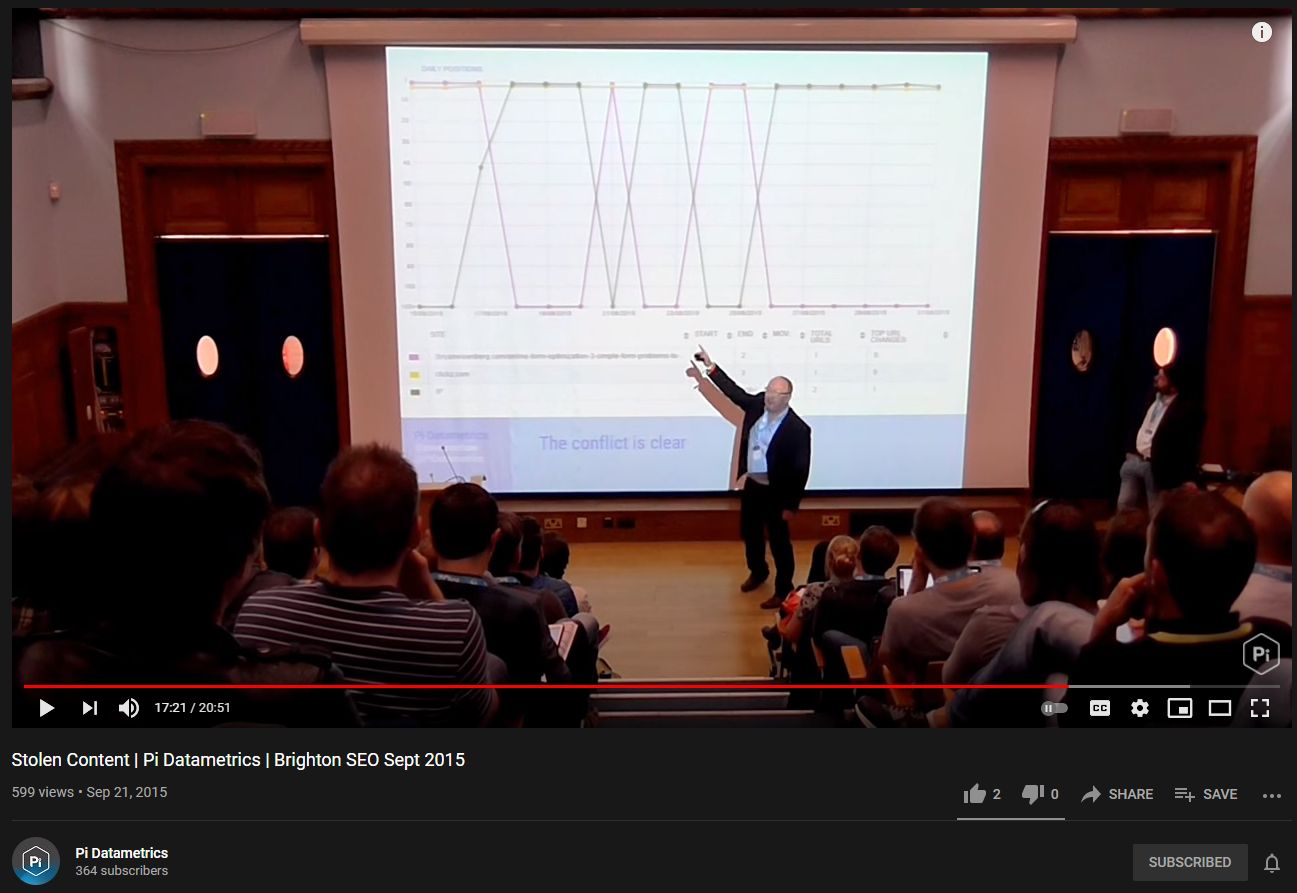
’We stole his content, word-for-word, and for a while our rankings were directly interfering with his site, and then our site went on to keep the best position…’
“This domain moved up 82 places, just through copying one paragraph of JBD’s content. This just goes to show that even the slightest bit of duplicate content can negatively affect the performance of original content.”

“They’ve taken that first sentence, but that’s enough to cause the [invertive] loss in visibility.”
WEB OF THEFT
Bunch of thieves out there, all stealing our content – or are they stealing each others’ (which began with one stealing ours) ?

Notice the tit-for-tat inversion, as google returned Their page, which contained content stolen from yours.

Maybe what’s needed is an anchor that pegs original content at a source place in time.
Google crawls most sites at least once a week and the SERPs show a significant movement weekly, usually on Monday or Tuesday.
Google wants to display content in the SERPs that is relevant to the query and material that adds value. For a site to offer this value, it needs to be able to provide the audience with answers to their questions on an authoritative level – not a thin overview of the topic. A quality site will not just be a regurgitation of everything else online. Instead, it will offer the unique perspective of an experienced professional that users know they can trust.
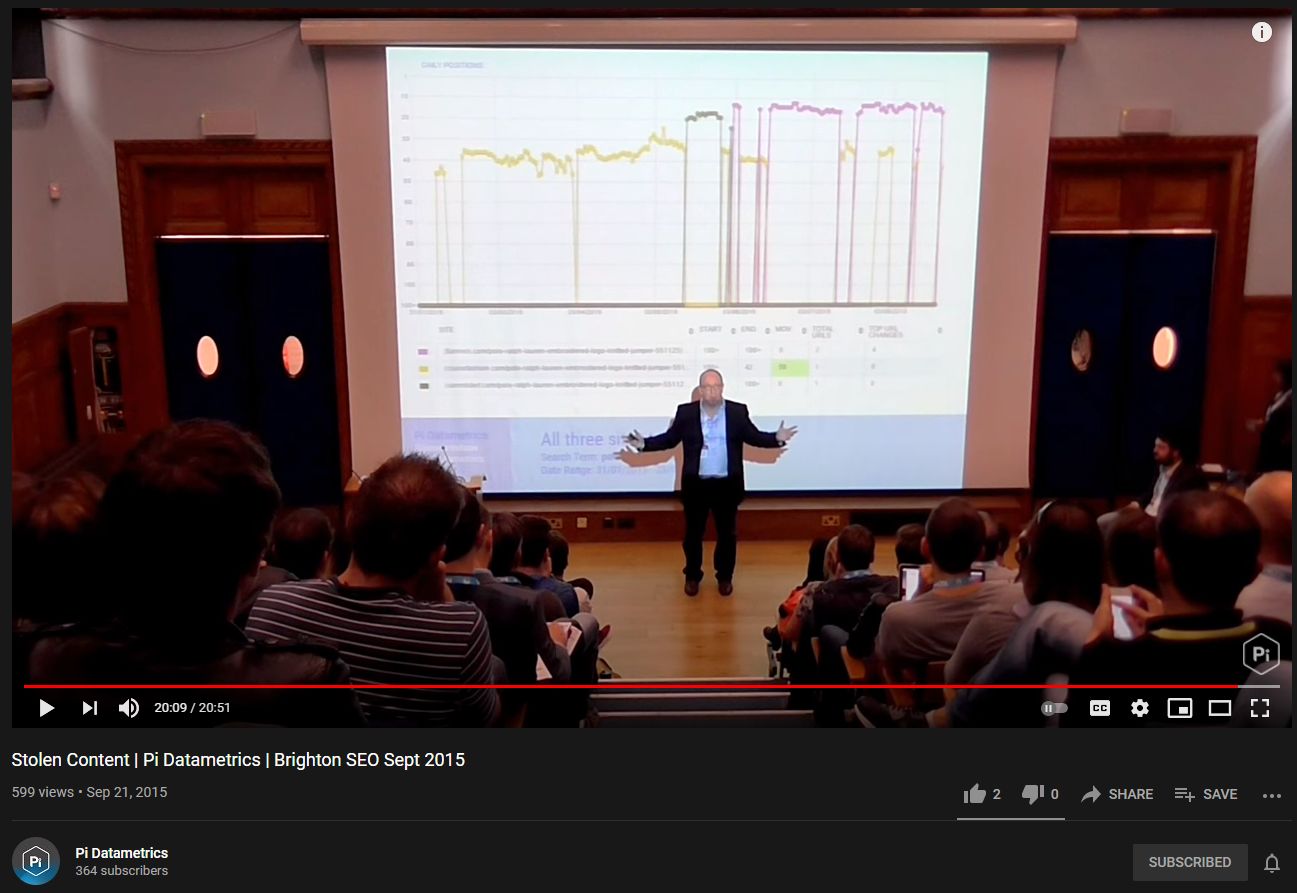
Google lets Content Thieves Win
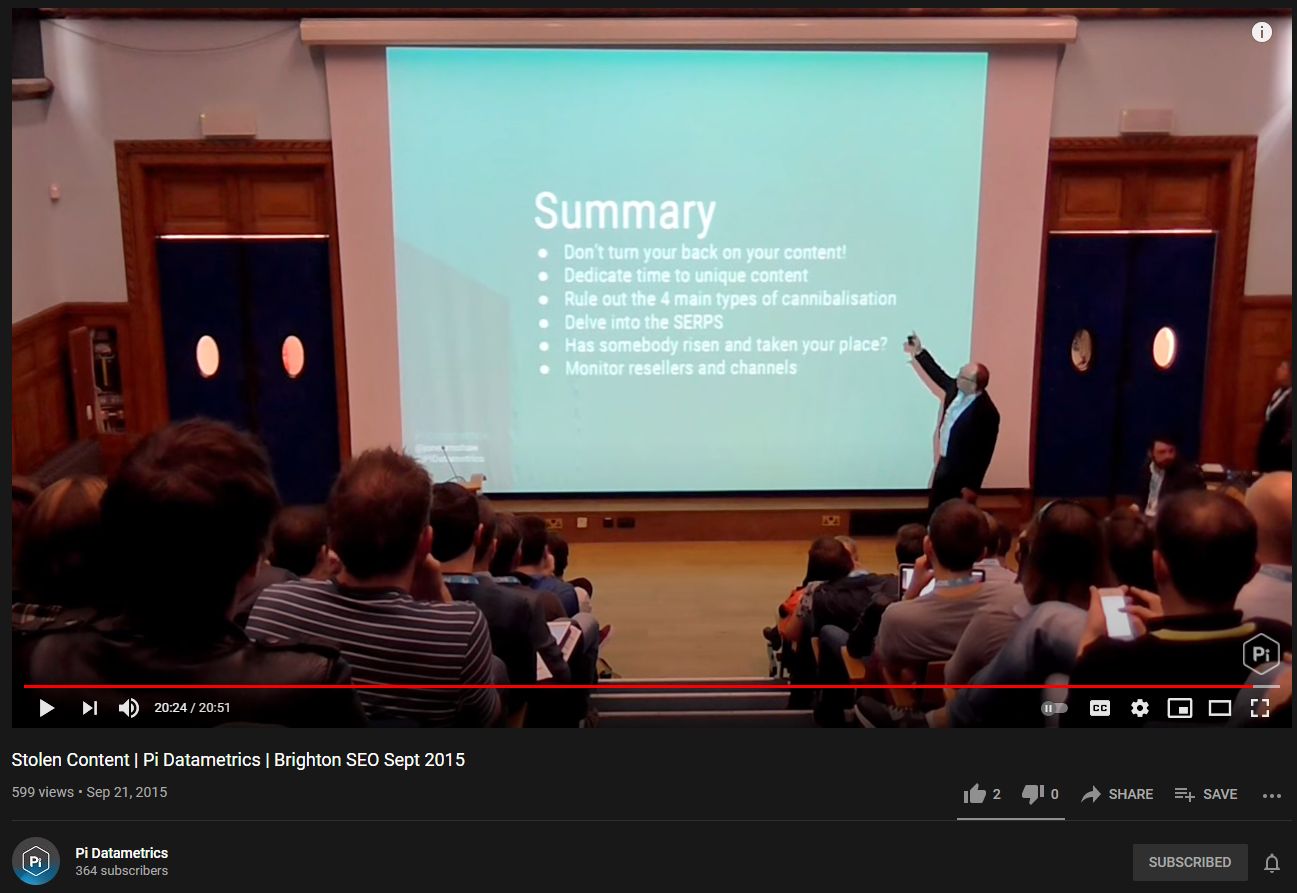
https://www.pi-datametrics.com/blog/fatal-flaw-googles-inability-recognise-stolen-content/
-
Despite Econsultancy’s original article having 44 times more social shares than ours, and even though they’ve been established for 5 years longer, we found that pages with stolen content (such as ours), can not only prosper but can in fact blow the original content out of the water, and go on to achieve even stronger positions in the SERPs.
-
On the other hand we found that, when optimising our stolen content for long-tail search terms, our site failed to hijack any positions.
-
We found, to our surprise, that our stolen content was competing with the ClickZ author’s own blog page – Not ClickZ itself. Whilst we both battled it out, ClickZ’s page – with the original content – maintained its position with minimal flux (position 3). Despite this, both Pi and the author of the blog still managed to outperform ClickZ on a selection of dates – making it to position 2. So two duplicate sites actually performed better than the site with the most links, and possibly the most traffic.
-
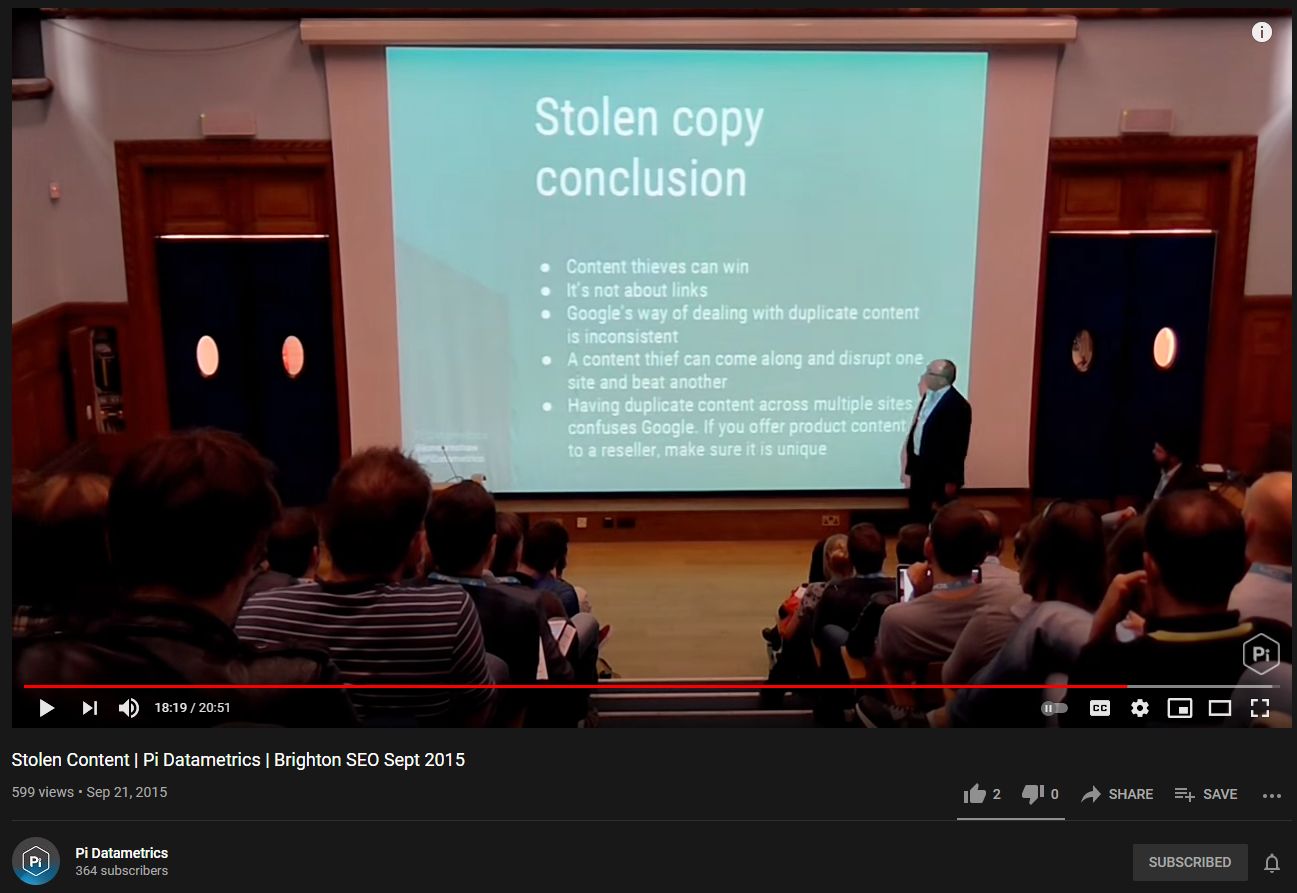
Conclusions from stolen content tests
- Even the most established sites, with a high Page Rank and strong social presence, are not safe from the effects of stolen content.
- Original content optimised with long-tail, specific search terms may be less affected by stolen content.
- Google may prioritise the most recent piece of (stolen) content in the SERPs – age will not save you.
- Or… Google may prioritise it arbitrarily, based on a number of varying, unseen factors.
SOURCE https://www.pi-datametrics.com/blog/fatal-flaw-googles-inability-recognise-stolen-content/
zest